
CRHEATE: From campaign to cultural moment with Kelly Hiller
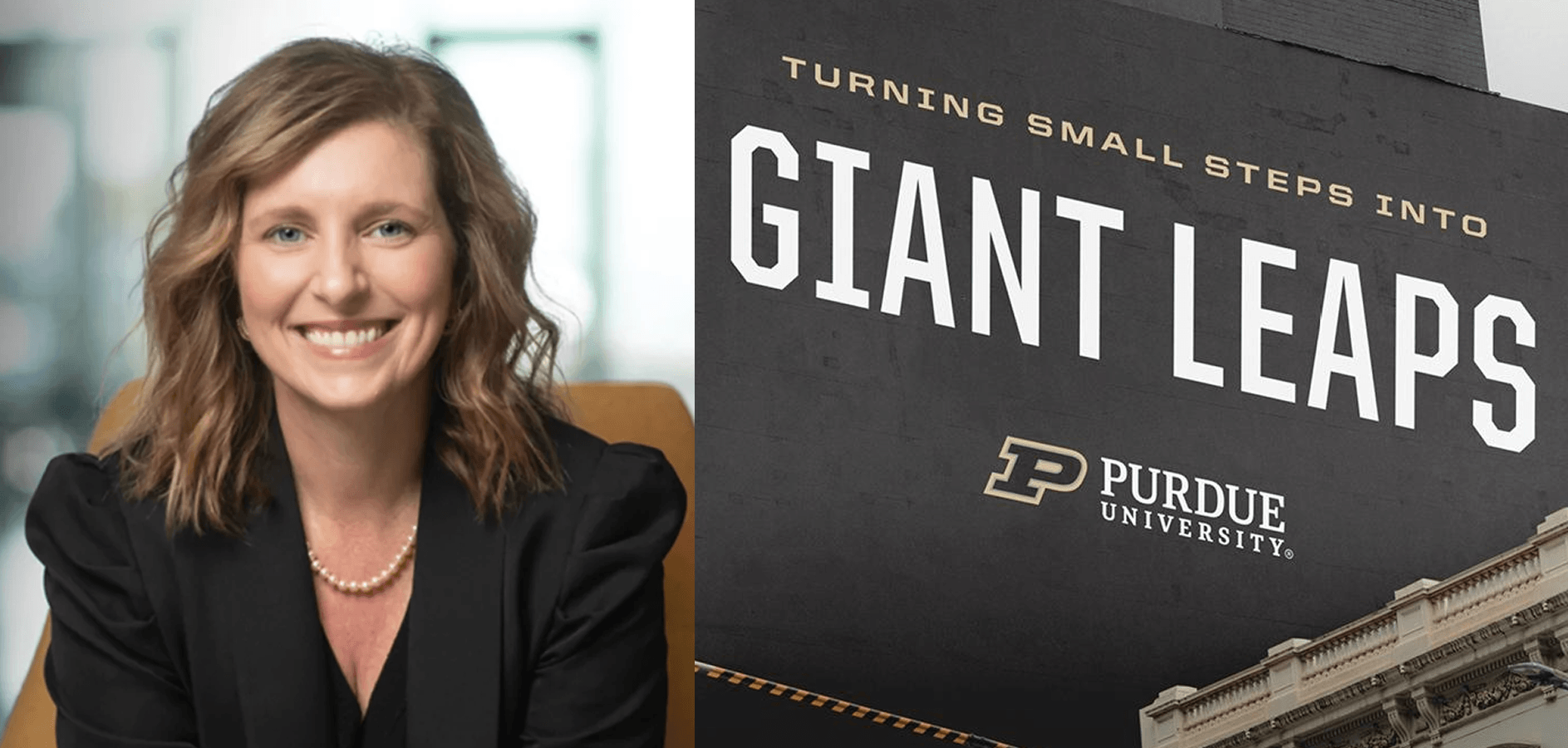
Kelly Hiller is Chief Marketing Officer at Purdue University and leads Purdue Brand Studio, the institution’s in-house marketing agency. Under her leadership, Purdue has gained recognition not just within higher education but alongside global consumer brands for its ability to deliver bold, culturally relevant work.
This conversation (part one of three) explores one of the most visible aspects of that shift: how Purdue is moving beyond traditional campaign thinking and towards creating cultural moments that people actually notice, experience, and remember.
What emerges is not a collection of tactics, but a different way of seeing marketing itself – less about distributing messages, more about recognising where attention already exists and earning a place within it.
Conversation 1
From campaign to cultural moment
Stop planning campaigns. Start recognising moments.
Most university marketing still behaves as though attention can be scheduled.
A campaign gets planned. Messages refined. Media booked. Assets built. Then everything is released into the world with a quiet confidence that clarity and consistency will carry it through.
Sometimes they do.
More often, the work lands somewhere between competent and forgettable.
What Kelly Hiller describes at Purdue starts from a different premise entirely. Not “how do we communicate more effectively?” but something more uncomfortable – and more useful:
“Where is attention already happening, and what would it take for us to belong there?”
As she puts it, the job is to be “having your eyes out for those opportunities so that you can deliver a message to somebody in a way that meets them where they’re at.”
That sounds simple, right? Well, It isn’t.
Because the moment you accept that framing, you stop behaving like a publisher of information and start behaving like a participant in culture.
And that, dear friends, changes everything.
Final Four
Take Purdue’s Final Four example.
Purdue University was not part of the on-court storyline at that stage of the tournament, and in most institutions, that would be the end of the conversation. No campaign, no activation, no involvement. Nothing to say.
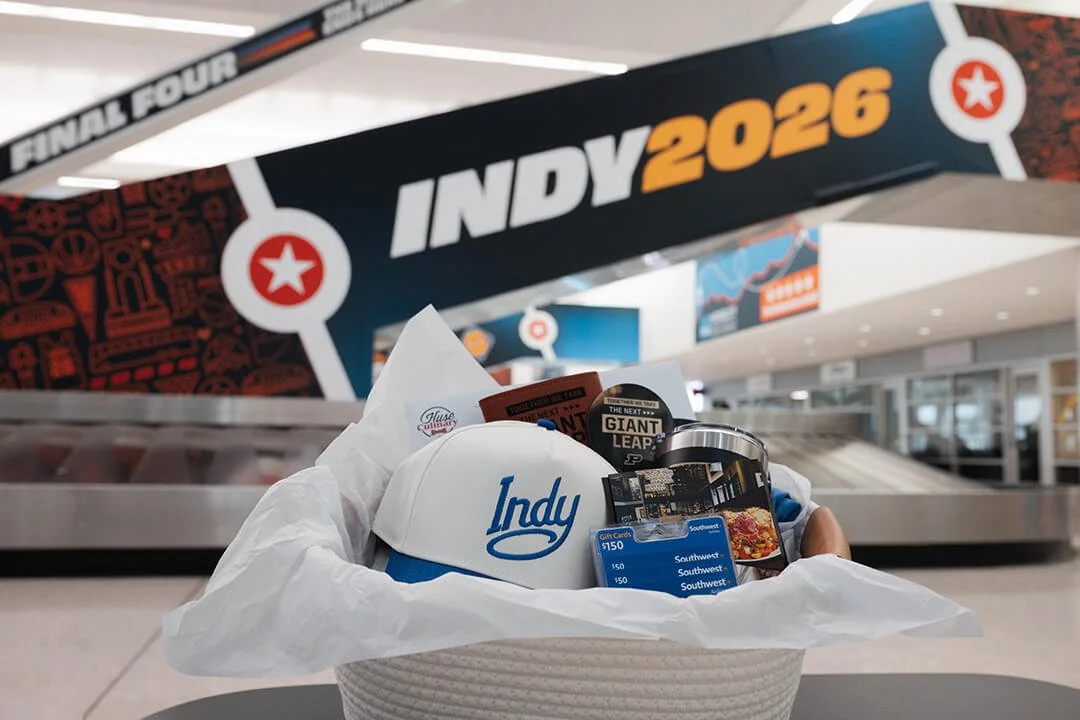
But with Indianapolis – Purdue’s urban home – hosting the national event, the university was woven into the atmosphere of the city itself, positioned at the centre of a moment that would bring thousands of visitors into contact with Indianapolis, many for the very first time.
“Rather than treating the Final Four as a standalone moment, Purdue approached it as an extension of our broader We Are Boilermakers campaign. The question was not “how do we show up around basketball,” but “how do we introduce Purdue to people who may have no prior connection to the university”, said Kelly.
The strategy focused on high-attention arrival moments and emotionally open states – places where people are not actively filtering messages. The goal was not information delivery, but connection. We wanted people to feel something. We wanted them to leave with a sense of who the Boilermakers are.
This is the kind of environment brands usually pay a lot of money to access. As Kelly observed, “a great opportunity for a surprise and delight activation”.
So instead of stepping back, they stepped in. At baggage claim.
Branded basketballs appeared among the luggage. Timed drops. Big Purdue boxes. QR codes linking to competitions and research stories. A small, unexpected disruption in a highly ordinary space.
Not informational, just experiential.
And crucially, memorable.
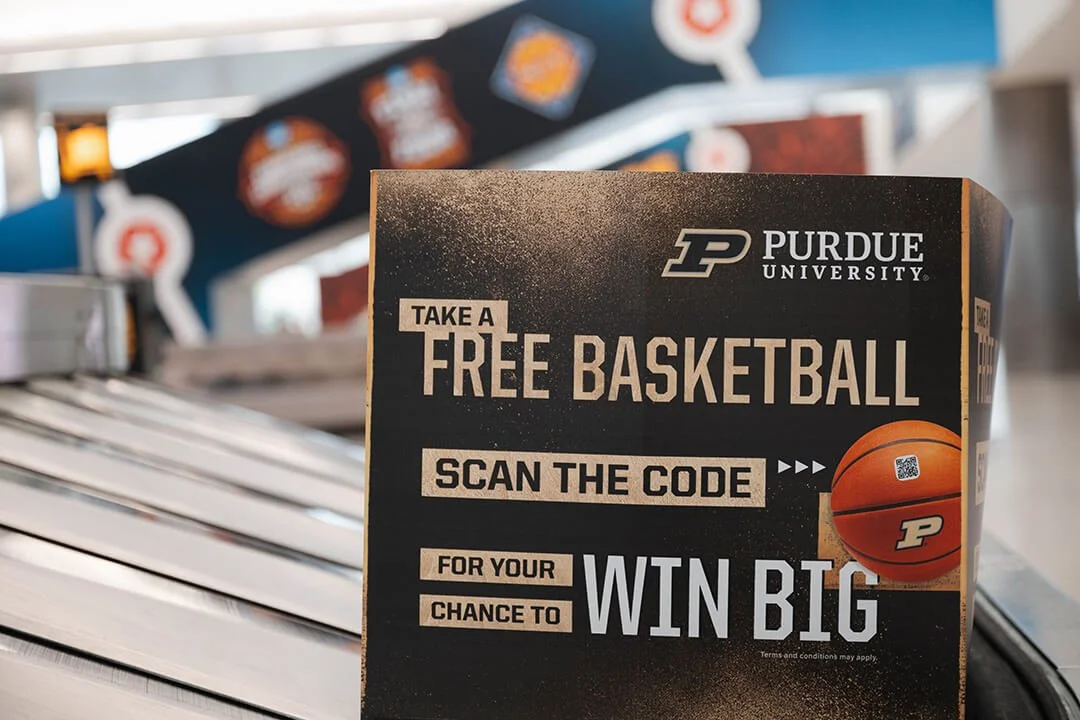
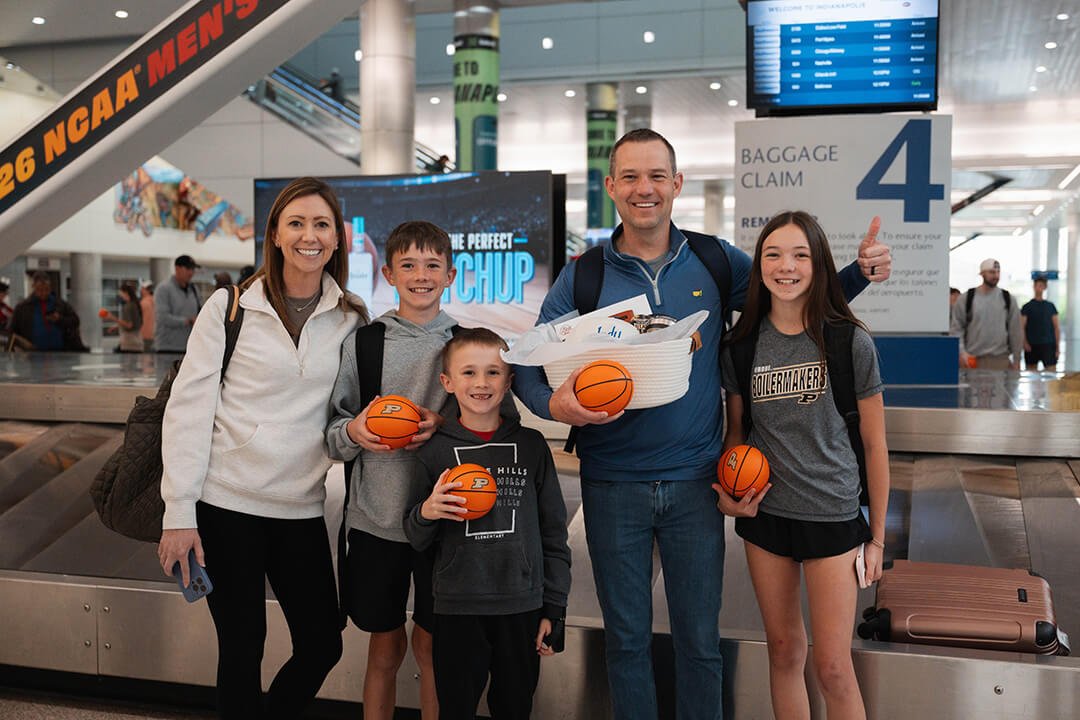
Hiller is very clear about the intent:
“We wanted to make visitors feel something. And we created a memory for them.”
That line does a lot of work.
Because it quietly replaces one success metric with another.
Not reach. Not clicks. Not even awareness.
Memory.
When did you last see that as an ROI on a brief? I suspect I know the answer. But imagine what a difference it would make to the work if you set both performance AND emotional metrics.
In Our STEM Era
This Taylor Swift activation builds on the same logic, but with greater ambition.
Again, the obvious move was available. Buy media around the concerts. Align messaging. Capture some borrowed relevance. “We could have just done a bunch of media buys,” Kelly says.
They didn’t.

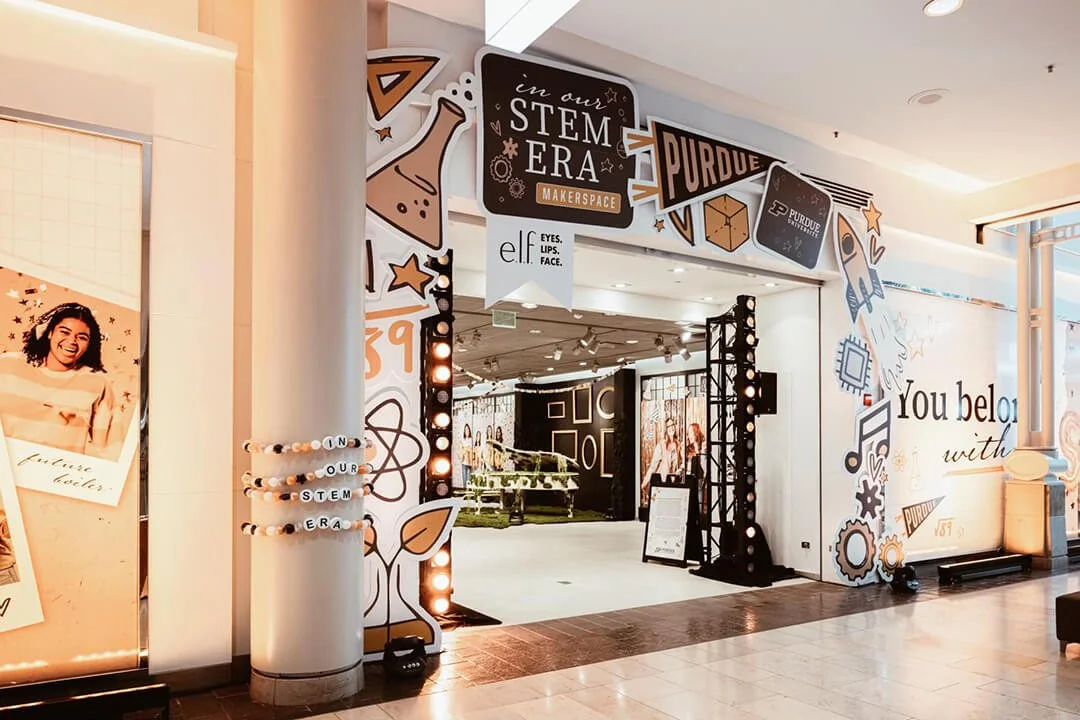

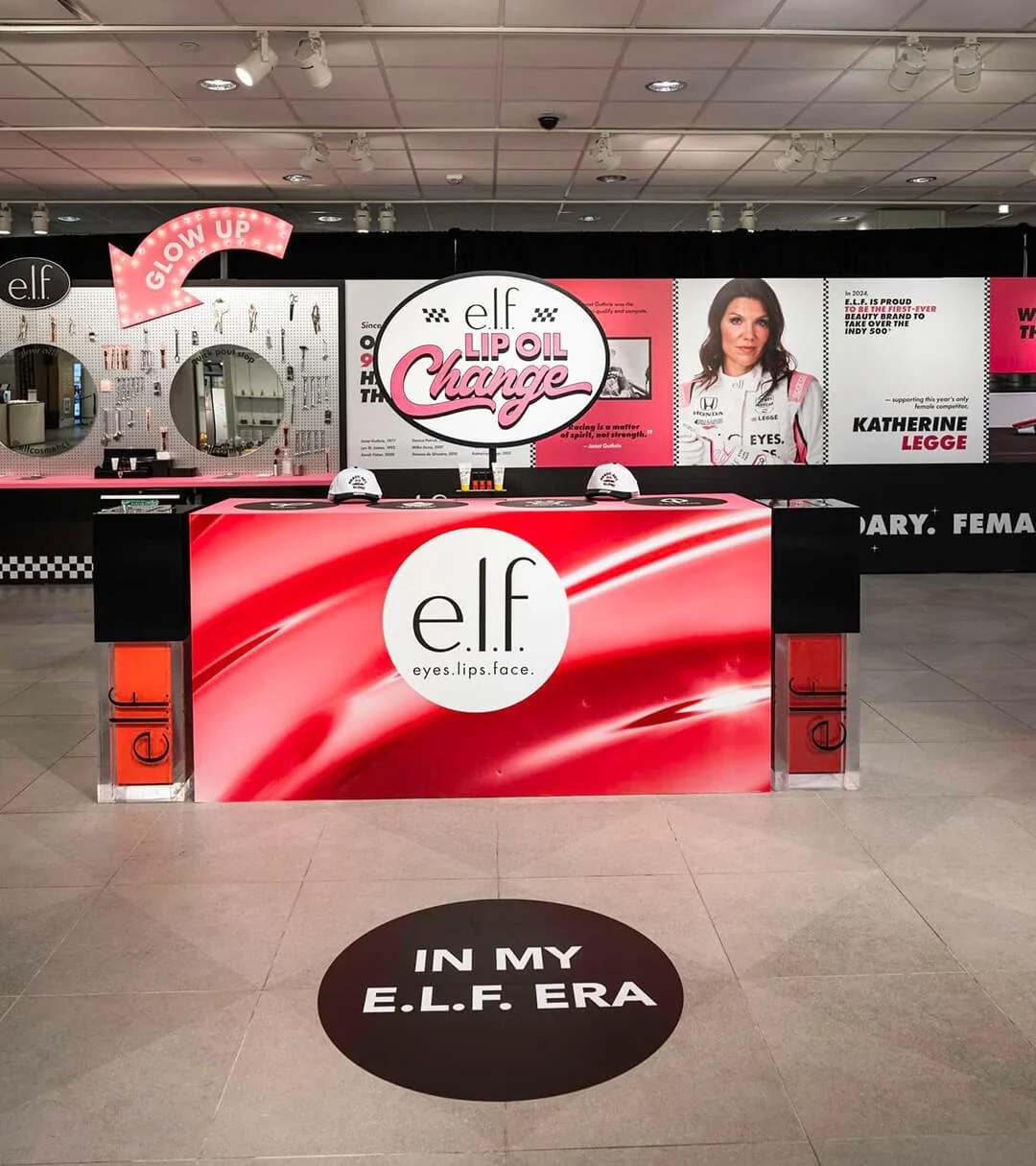
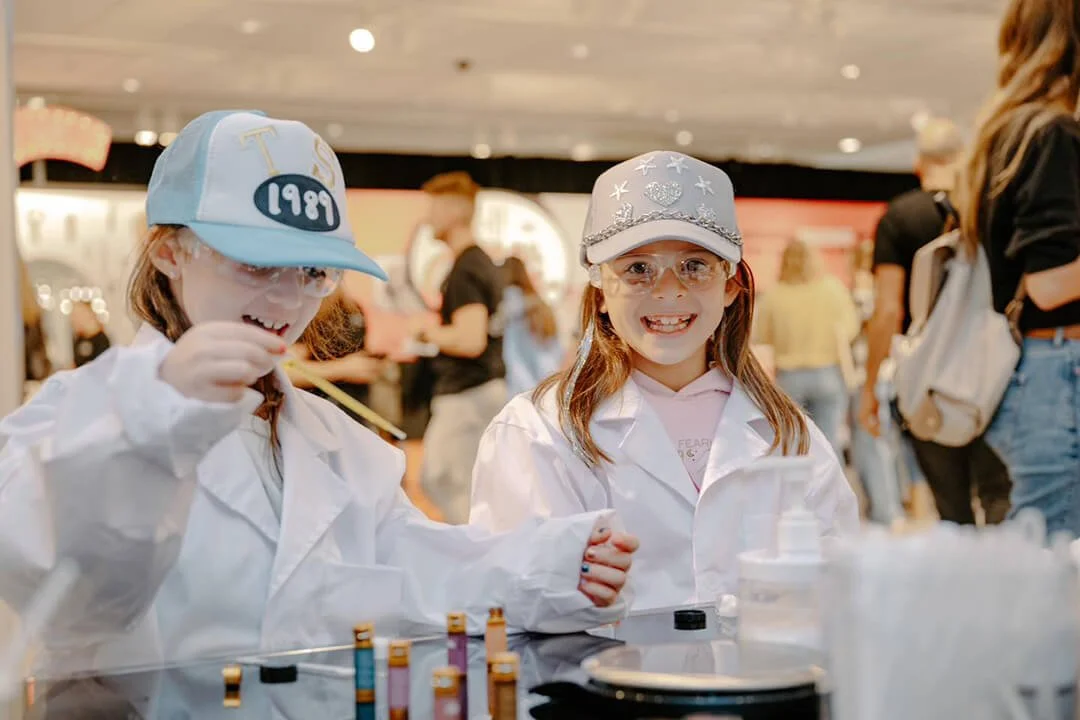
Instead, for Swift’s last stop on The Eras Tour in Purdue’s home city, Indianapolis, they took over a vacant retail space and built something people could walk into. “In Our STEM Era” wasn’t a campaign in the traditional sense. It was an experience including binary code friendship bracelets, chemistry activations, Galaxy in a Bottle station, a Rocket Making station and a partnership with e.l.f. Cosmetics, reframing who STEM is for.
Oh, and it was free.
More than 10,000 people came through.
That detail matters more than it might seem, because it signals intent. This wasn’t about extracting value from a cultural moment. It was about contributing to one.
Hiller puts it plainly: “We wanted to seize the opportunity to spark curiosity about STEM among young girls while leaning into the weekend's excitement.”
Accessible. Generous. Participatory.
These are not words you often hear in university campaign briefs.
Perhaps they should be.
At this point, it becomes clear that Purdue isn’t really behaving like a university marketing team at all. It’s behaving like a brand.* Because the commercial playbook here is well established.
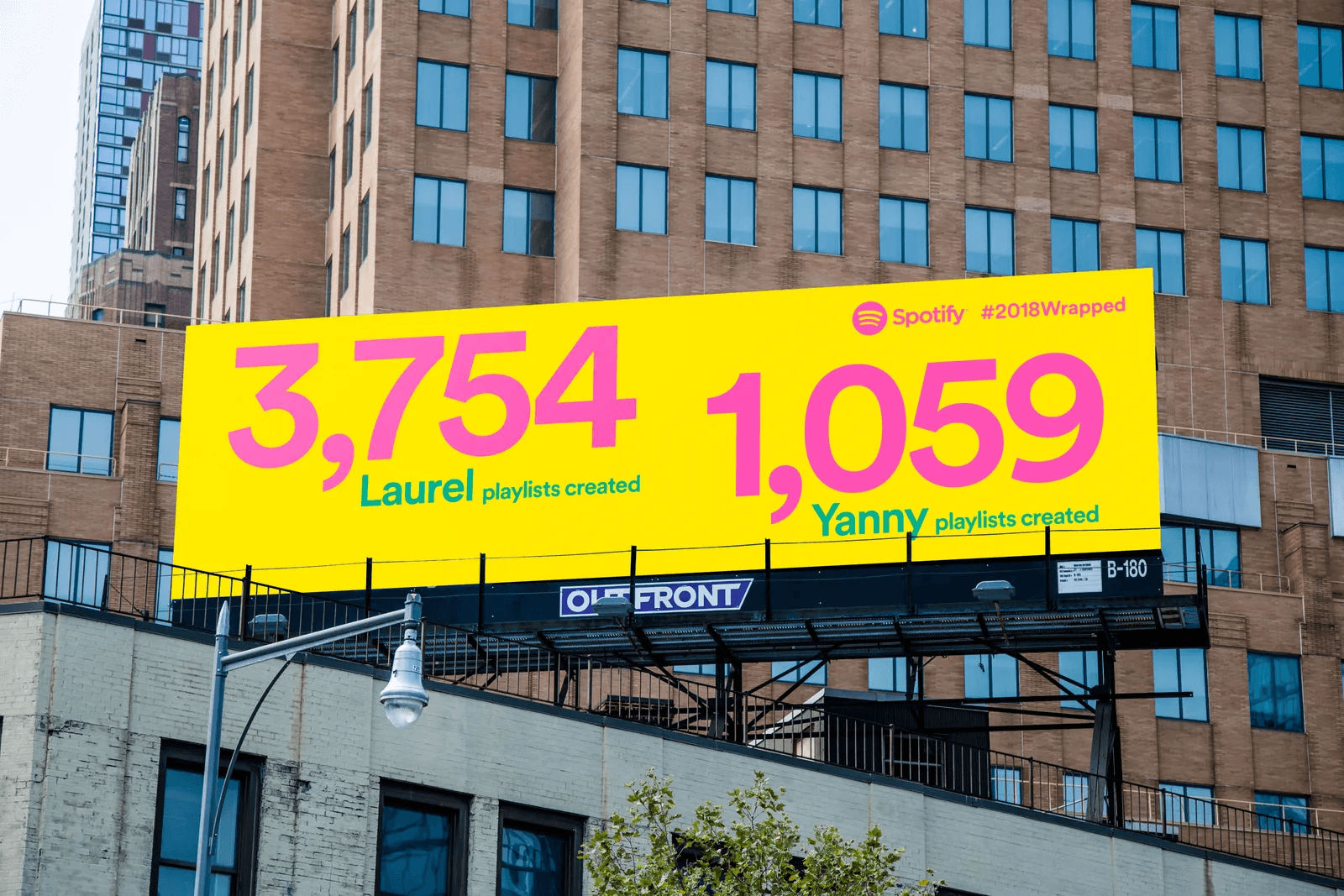
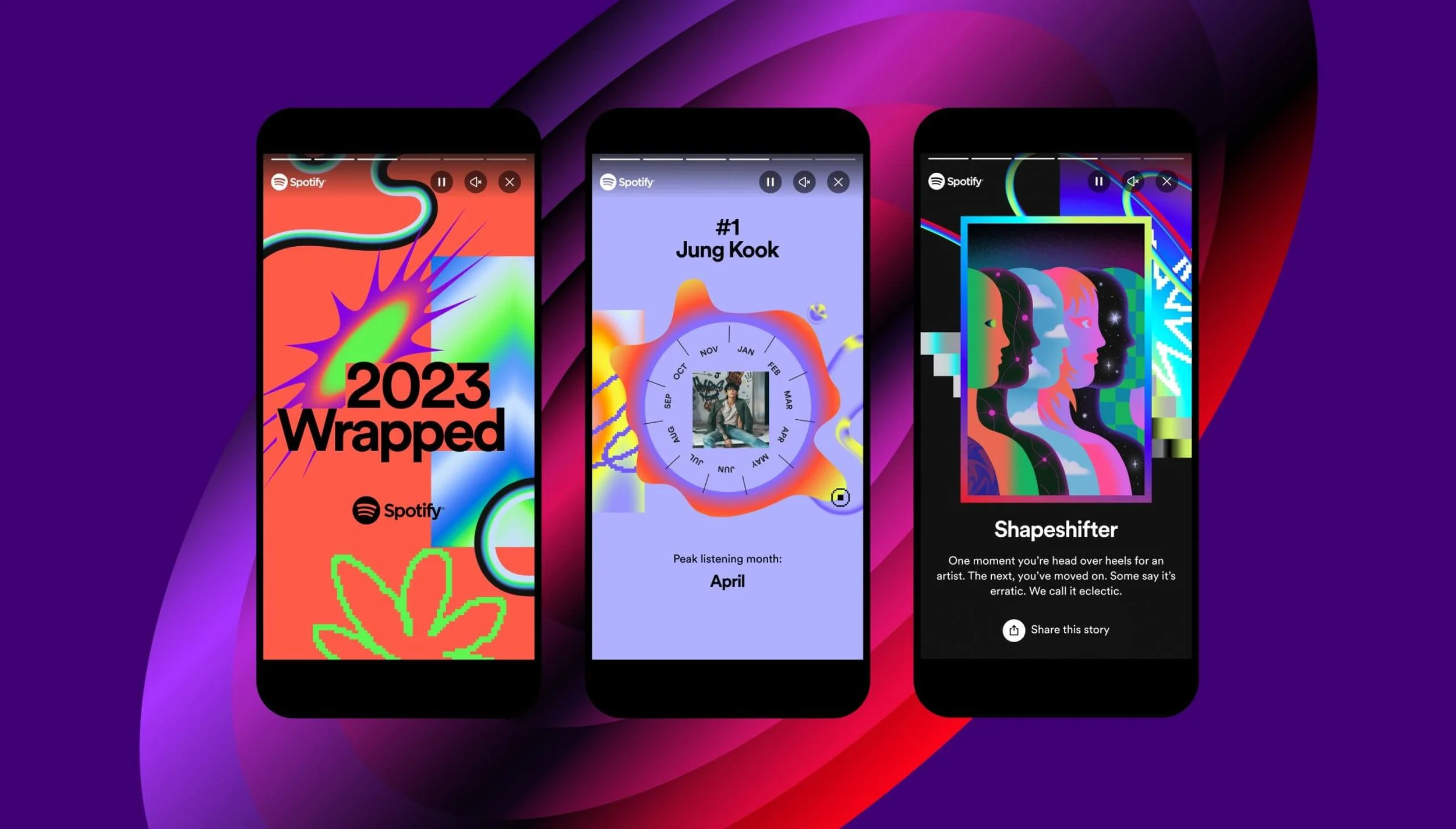
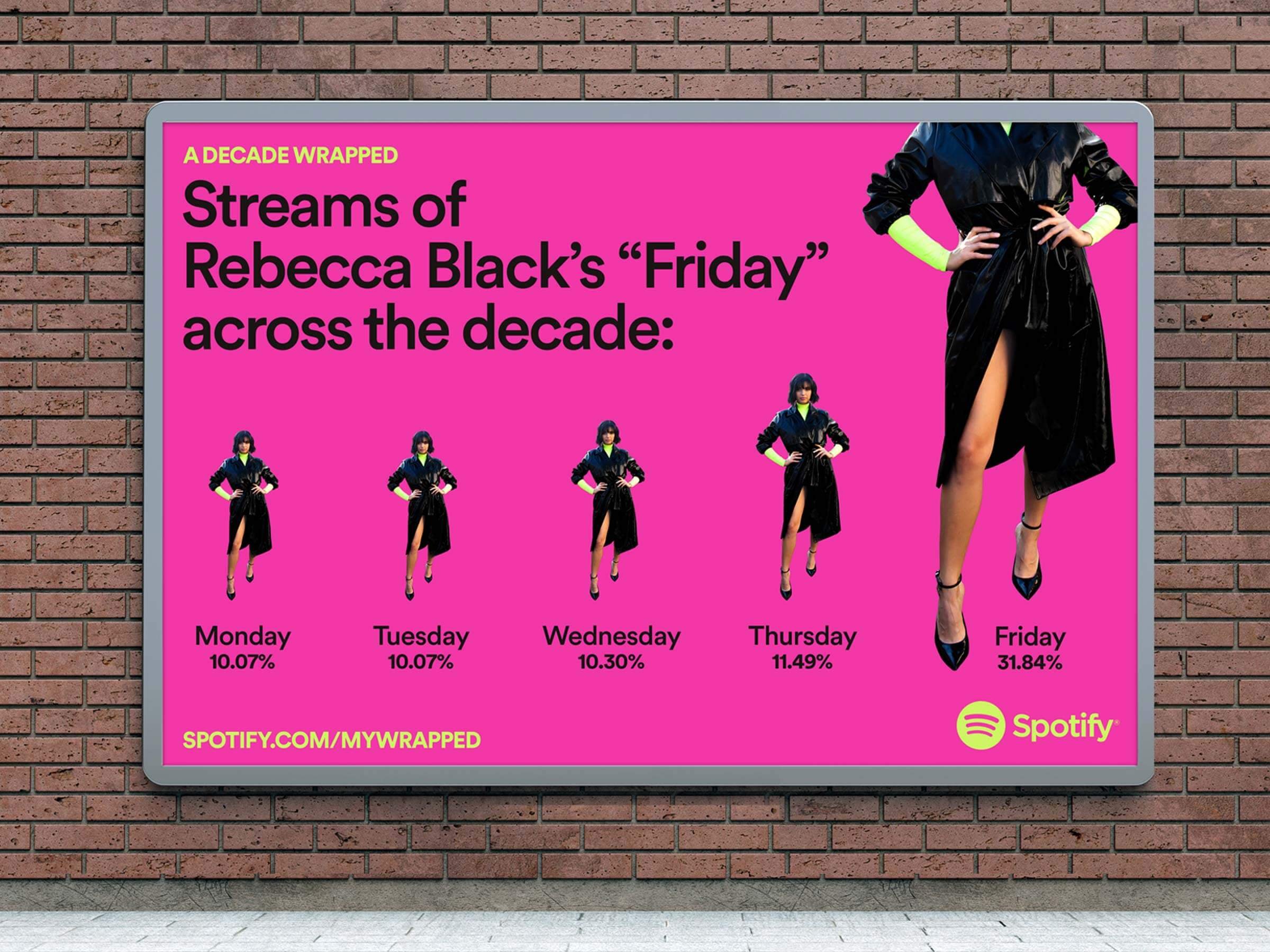
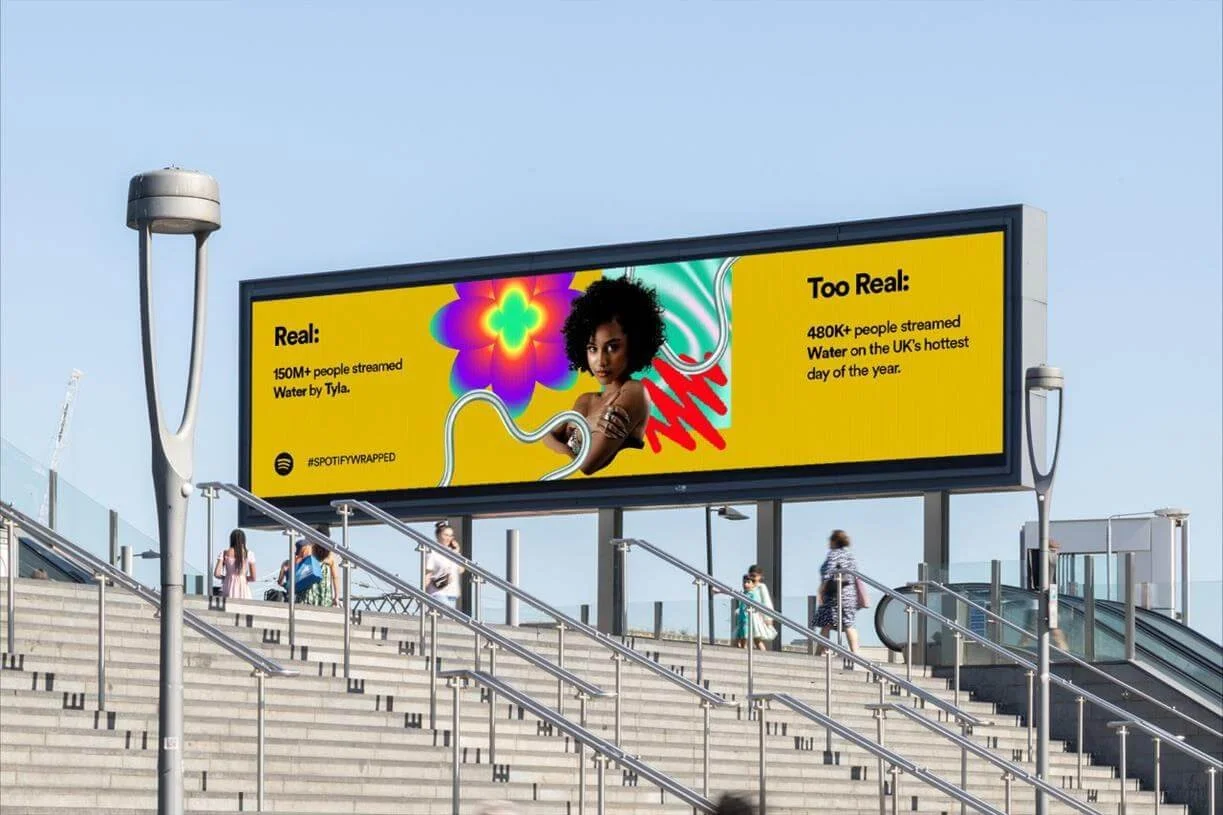
Spotify Wrapped (1) works because it turns private behaviour into a public ritual. It doesn’t tell people about Spotify. It gives them something to share about themselves.
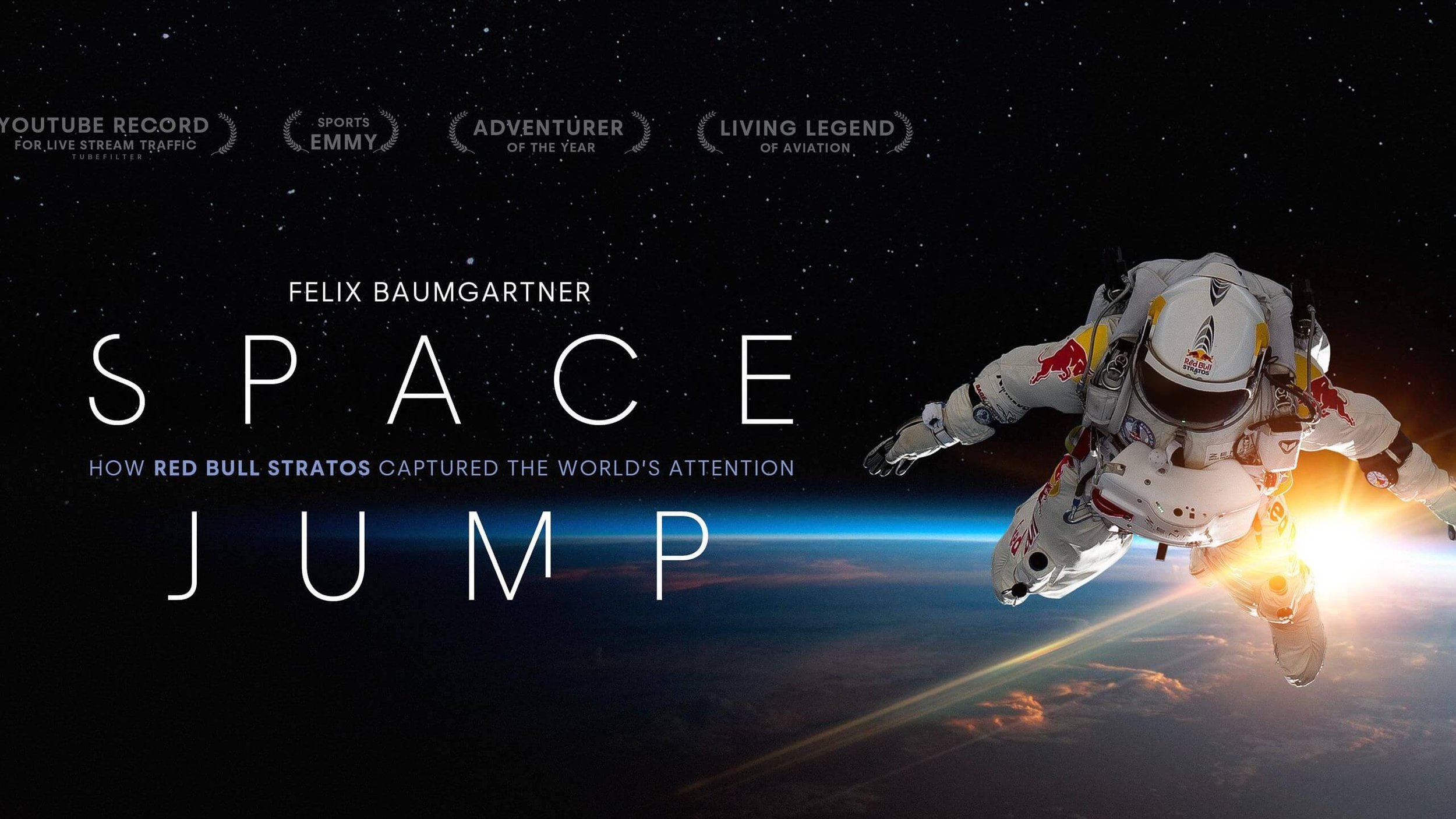
Red Bull Stratos (2) worked because it created a moment the world gathered around, collapsing media, experience and meaning into a single event.
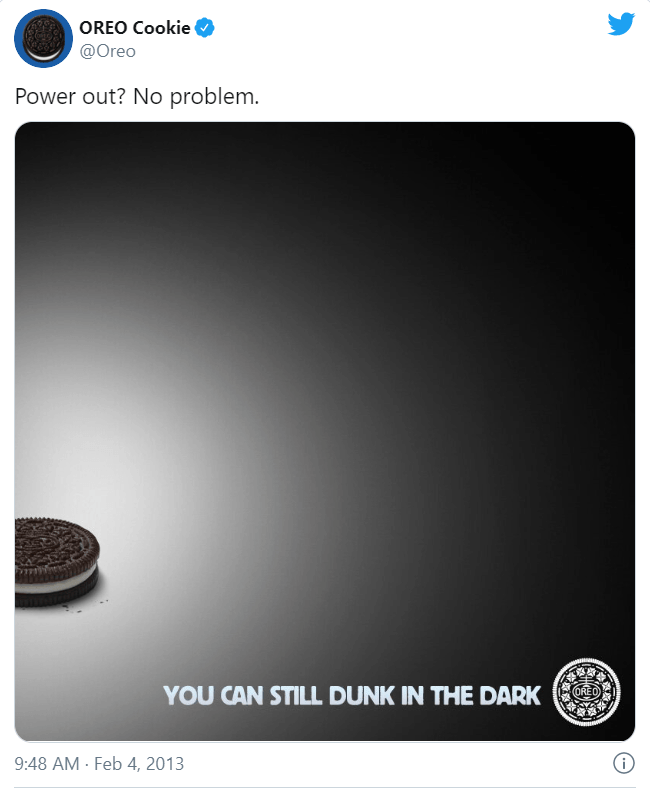
Oreo’s “Dunk in the Dark” (3)worked because the team was set up to act in real time when culture presented an opportunity.
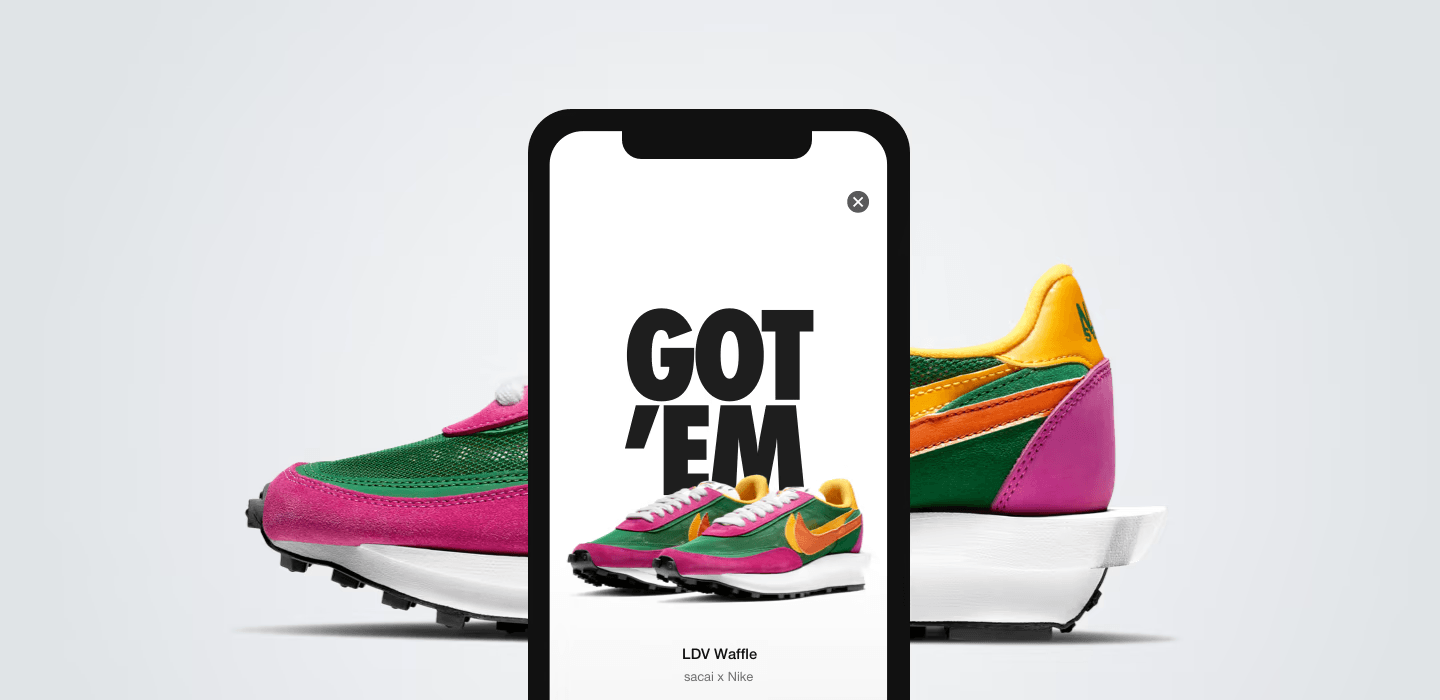
Nike’s SNKRS (4) activations work because they turn physical space into narrative, making discovery part of the brand experience.
Different executions. Same principle.
Attention isn’t created. It’s captured, or more accurately, joined.
But this is the part that often gets misunderstood.
This kind of work can look loose from the outside. Opportunistic, even.
But it isn’t.
Hiller is explicit about what sits underneath it: discipline.
“I approach it as … what is the return on investment? What are our key performance indicators?”
And more importantly, what happens afterwards.
“You have to follow up with results. You have to share that back.”
Kelly has a rhythm to it. Monthly reporting. Transparent conversations with leadership. Wins, misses, next steps. Or, as she describes it more bluntly: “marketing the marketing.”
That phrase is doing important work.
Because cultural creativity without organisational credibility doesn’t last very long, especially in universities.
There is a bigger point sitting underneath all of this.
One that higher education still seems slightly reluctant to confront.
For a long time, universities have operated on the assumption that their importance guarantees attention.
It doesn’t anymore.
As Hiller notes, “going to college is no longer a rite of passage … it’s not assumed that’s your next step.”
That single shift changes the rules.
If attention is no longer given, it has to be earned. If choice is increasing, differentiation has to be felt, not just stated.
And that is where brand thinking stops being optional.
Not the superficial version of logos, colours, messaging frameworks, but the real thing. Understanding where culture is moving, knowing when to show up, and having something worth bringing when you do.
The provocation is quite simple.
Most universities are not too commercial. They are not commercial enough in the ways that matter.
Because what Purdue demonstrates is not a move away from academic values, but a more effective expression of them. Taking real strengths like STEM, research, and partnerships, and placing them into moments where people can actually experience them.
Not as claims, but as memories. And that feels like the direction of travel – less about what you say and more about where you show up. And what people take away when you do.
Because, as Kelly puts it,
“we’re moving into a time where going to college is no longer a rite of passage … we can’t assume that’s the next step.”
Three take-outs
Attention is already in motion; the job is to recognise it and enter it with intent, not try to manufacture it from scratch.
The most effective brand work creates memory, not just visibility.
Cultural creativity only becomes sustainable when it is backed by clear metrics, reporting discipline, and internal trust.
* Firehaus has championed the discipline of ‘brand behaviour’ since 2019. It’s wonderful when you see it happening.
1. Spotify Wrapped is an annual feature that gives users a personalised summary of their listening habits, highlighting top songs, artists, and genres from the year. Released each year as an interactive, shareable experience, it has become a cultural moment by turning personal data into stories people actively post and celebrate online.
2. Red Bull Stratos was a 2012 high-altitude stunt in which Felix Baumgartner ascended nearly 39km into the stratosphere before jumping back to Earth, becoming the first person to break the sound barrier in freefall. Broadcast live to millions, it became a landmark example of brand-led storytelling, turning a scientific experiment into a global cultural moment rather than a traditional advertising campaign.
3. Oreo’s “Dunk in the Dark” was a single, real-time tweet posted during the 2013 Super Bowl blackout, joking that you could still enjoy Oreos even without lights. Created and published within minutes, it became a landmark example of agile marketing, showing how brands can respond instantly to cultural moments rather than rely on pre-planned campaigns.
4. Nike SNKRS is a dedicated app and website platform used to explore, buy, and unlock the most coveted, limited-edition Nike, Jordan, and Converse footwear and apparel.